As the engines fall silent and dust rises above the bivouac, no one questions who is a woman and who is a man. Dakar knows no concessions. It only knows the time, the oil temperature, and the number of kilometers to the next waypoint.
While women still make up a small percentage of the field, today no one considers their presence exotic. They compete in the top Ultimate class, win stages in Challenger and SSV, and finish in the top twenty. Each one of them adds a brick to a story that began over forty years ago in the African dunes.
The modern Dakar is comprised of several parallel worlds, the most important of which is Ultimate – the highest class of cars. This is where factory teams battle for victory in the entire rally. Here, differences are measured in seconds, and budgets in the millions.
In the top-class car category, Cristina Gutiérrez finished the 2026 Dakar in 11th place overall. The Challenger class winner two years ago switched to an Ultimate class car and finished just outside the top ten.
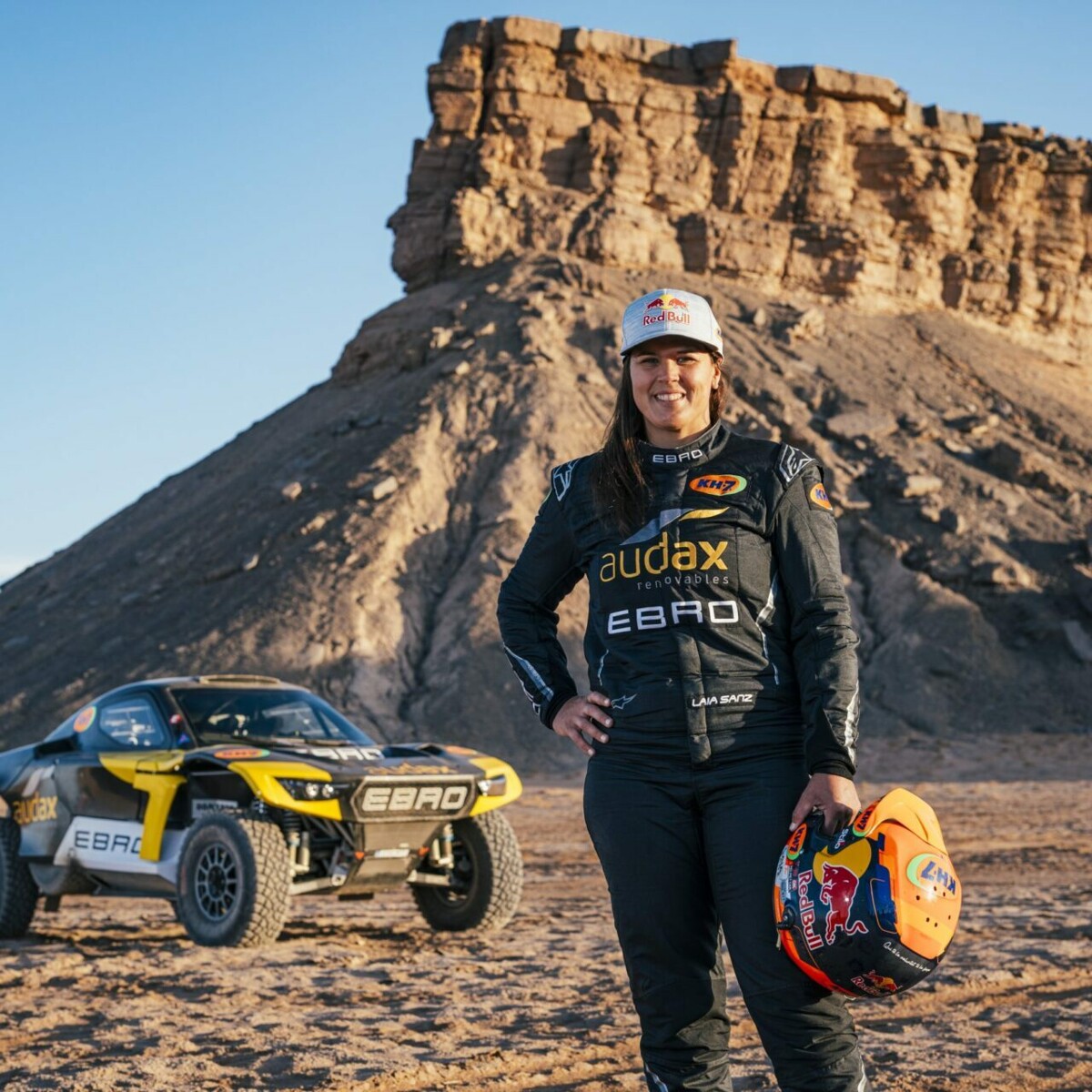
Laia Sanz also maintained her pace in the cars, ultimately finishing 20th. For years associated with motorcycles, where she achieved an excellent ninth place overall in 2015, she is now consistently building her position in the four-wheeled competition.
If Ultimate is the king of the league, then Challenger (formerly T3) is its backbone. Lightweight prototypes, young teams, and ruthless competition. In recent editions, women have begun to regularly appear at the forefront of this class. Stage wins have ceased to be a daily sensation and have become a fundamental part of the sport's overall picture.
In 2026, Dutchwoman Puck Klaassen won the Challenger class stages, joining a select group of women in Dakar history who have finished the special stage fastest in their category. Her aggressive, uninhibited driving style is part of a new wave of competitors who compete not for experience, but for results. She finished the race in 5th place. Dania Akeel competes in the same space. The Saudi has become a symbol of social change in her country, but in the desert, her story boils down to something simpler: consistent pace and a place among the top Challenger riders. She finished 8th.
Sara Price put in a strong performance in the 2026 Dakar Rally, finishing second overall in the Stock class. Key moments for Price included winning the prologue and stages 2, 6, and 12, demonstrating both her pace and the competitiveness of the Defender she was driving from the very first kilometers of the rally.
The 2026 Dakar wasn't a watershed moment; it was a confirmation of a trend. Women no longer compete to prove they can do it. They compete to win a stage, to fight for a podium finish in their class, and to be at the forefront of the entire rally.
In the first edition of the rally in 1979, seven women took to the starting line. Among them was Martine de Cortanze, who, riding a Honda 250 XLS, finished 19th overall.
In an era without GPS, digital navigation, or social media, the start itself evoked surprise. The finish line—respect. For the women, the start had an additional dimension. Each of them drove not only through the Sahara but also through societal notions about who should be behind the wheel in the middle of the desert.
Years later, more competitors, such as Christine Martin, added their chapters in the car and motorcycle classes, building the foundation for future success.
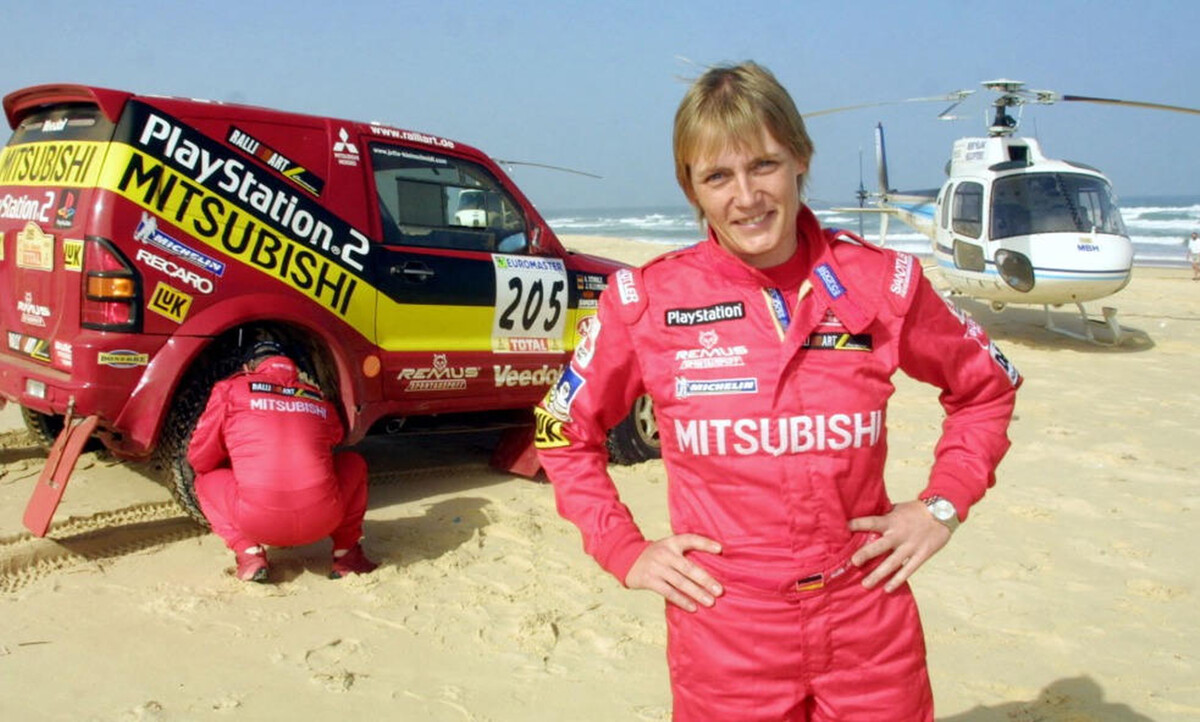
The breakthrough came in 2001. Jutta Kleinschmidt won the overall car classification, beating the world's top drivers. To this day, she remains the only woman to win the Dakar overall. Winning the world's toughest rally wasn't just a sporting triumph. It was a symbolic earthquake. From that moment on, the question was no longer "can a woman win the Dakar?" It was "when will it happen again?"
To this day, she remains the only woman to have won the overall title, but her success created a benchmark for all subsequent generations.
In 2015, Laia Sanz finished ninth overall in the motorcycle classification. In a rally where riders battle not only rivals but also dehydration, injuries, and fatigue, this was one of the most outstanding results by a woman on two wheels.
Some Dakar careers span more than a decade. Camelia Liparoti competed first in quads, then in UTVs, and then in lightweight prototypes. In 2021, she took the T3 class podium, proving that cross-country rally experience can be as valuable as raw speed.
Australian Molly Taylor, who has a successful career in classic WRC rallies, has found her feet in the SSV class, finishing twice in the Dakar and posting solid results in her category. Her achievements demonstrated that classic rally roots can also find their place in the desert.
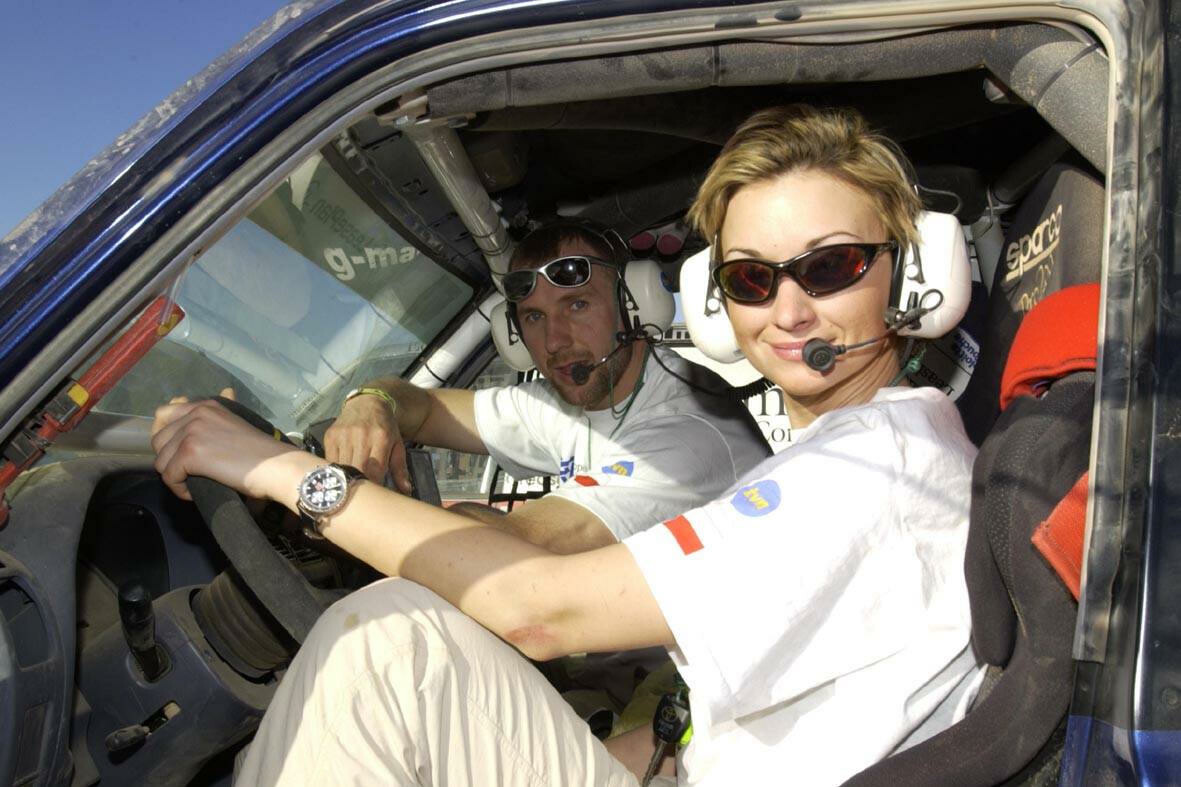
In 2002, Martyna Wojciechowska finished the Dakar Rally in the car category, taking 44th place alongside co-driver Jarosław Kazberuk. It was a symbolic moment – the first time a Polish woman had made such a clear mark on the finish line of the world's most challenging rally.
In the following years, more names emerged. Magdalena Zając entered the Ultimate classification, building her own story in the shadow of the more media-conscious teams. Izabela Szwagrzyk tried her hand at the truck category, demonstrating that even the largest machines aren't reserved exclusively for men.
Women were once the exception in the Dakar, but today they're part of it. They're still a small group, but no longer isolated. In the top classes, they finish just behind the leaders, and in the lower classes, they win stages. They've already won the overall standings in the rally's history.
The Dakar has crossed continents, but its character hasn't changed. It remains brutal, merciless, and indifferent to narratives. It doesn't ask if anyone breaks stereotypes. It asks if they'll finish. It doesn't care about gender—it cares about pace.
The desert remains just in its unchanging way—sand tastes the same in everyone's mouth. And the Bedouin statuette only counts those who haven't taken their foot off the gas pedal.
Photo sources:
https://www.redbull.com/bg-bg/cristina-gutierrez-rally-raid-career-portrait
https://www.lapremsadelbaix.es/seccions-del-baix/esports/laia-sanz-arranca-el-ral%C2%B7li-dakar-2026-en-vint-i-quatrena-posici%C3%B3.html
https://www.facebook.com/photo/?fbid=10158171767130565&set=pcb.10158171773665565
https://www.facebook.com/photo/?fbid=1268978708589692&set=pcb.1265456442275252