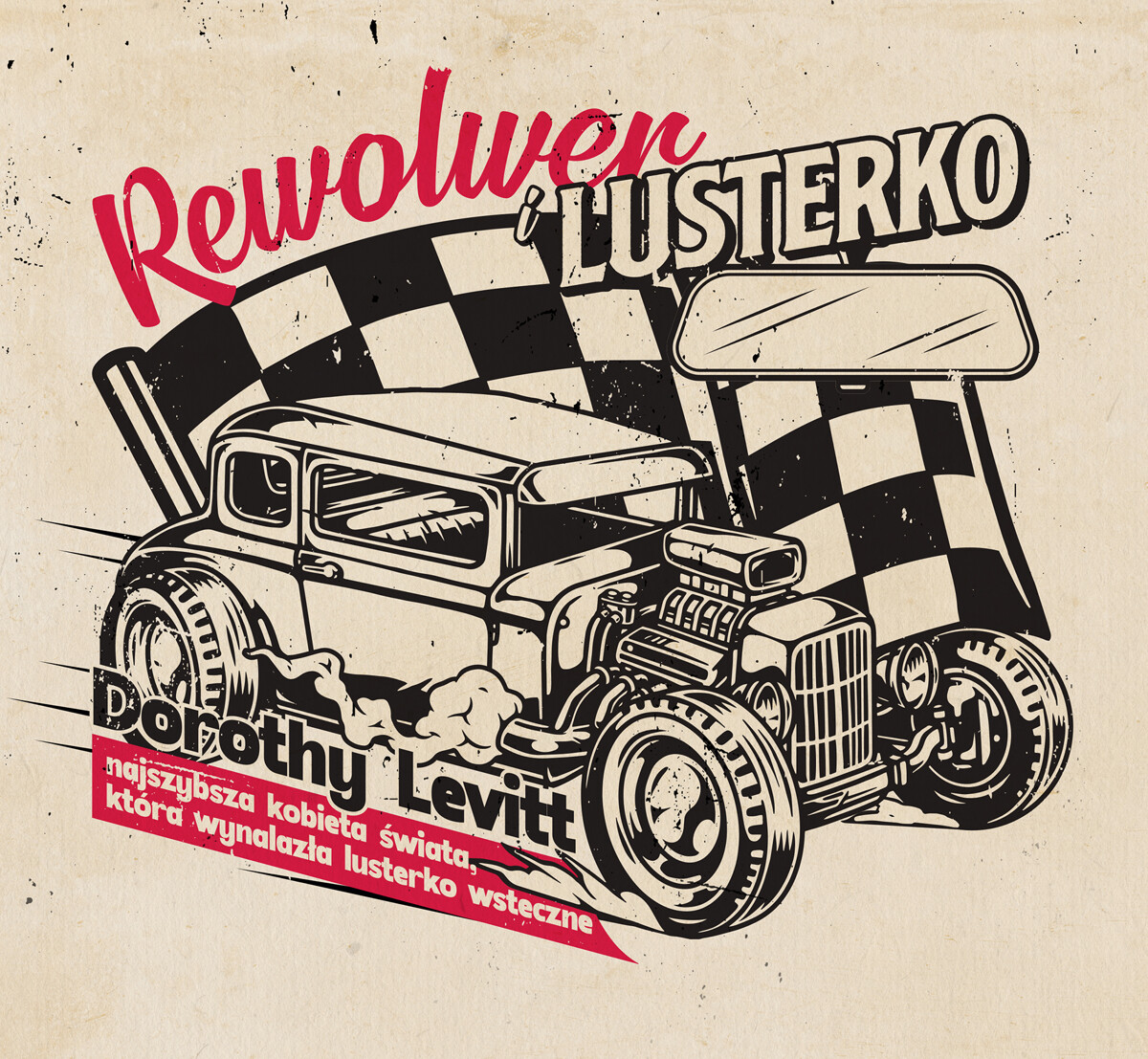
In 1906, she was the fastest woman on Earth, clocking an impressive 90.88 mph (146.28 km/h), but it was a simple feminine gadget that forever etched Dorothy Levitt into engineering history. This automotive pioneer was the first to suggest using a mirror to… see what's happening behind you.
In a world where women couldn't even vote, Levitt proved women were capable of breaking speed records – on land and water – and even revolutionizing safety.
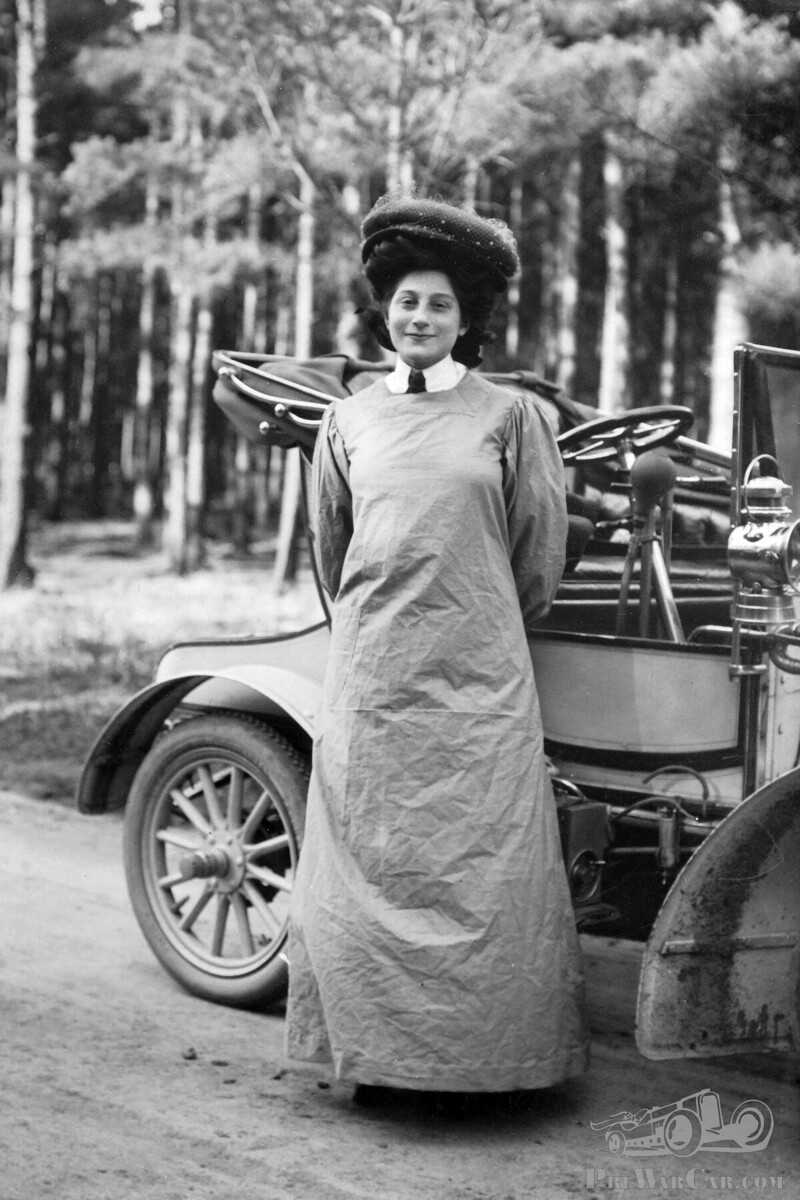 source: www.prewarcar.com
Dorothy Levitt, born Elizabeth Levi, came from a Jewish family in Hackney, though the media eagerly portrayed her as a socialite. Her career began in an office, as a secretary at Napier & Sons in London, where she was spotted by the director and famous driver Selwyn Edge. He decided to make her a racing driver to promote his cars.
Her first races in 1903 (including the Southport Speed Races, where she won her class in a Gladiator) caused a sensation. Levitt, who raced in a duster and veil, quickly became an icon and a symbol of female courage.
The reckless 20-year-old, as she was described, set the world speed record for a car driven by a woman in a race at Brighton in July 1905. She accelerated her 80-horsepower Napier to over 128 kilometers per hour. A year later, in October 1906, she bettered this record, exceeding 146 kilometers per hour at the wheel of a slightly more powerful, 100-horsepower model.
"Wonderful. It's hard to describe the experience," she admitted when asked about the emotions she felt on the track. "It's like flying through space. At that speed, it's hard to even stay in the car, which is literally hurtling through the air, and the wheels aren't touching the ground."
Levitt wasn't one to shy away from controversy – she had run-ins with the law for speeding, and her journey from London to Liverpool (1905) went down in history. She traveled without a mechanic, but with her dog Dodo, a revolver, and... a mirror.
Besides her reckless driving, it was Dorothy Levitt's advice that earned her a permanent place in automotive history. She was the first to suggest that drivers use a mirror to monitor the situation behind their vehicle.
She distilled her experience as a factory driver and driving instructor into a guide, "The Woman and the Car" (1909), covering everything from choosing a car to maintaining it. Her most far-reaching suggestion, however, was the practical use of a pocket mirror:
"A mirror should be quite large to be really useful... You'll find it useful to have one on hand, not only for personal use, but also to lift it up from time to time to see what's behind you."
This simple tactic, borrowed from racing practice, is now considered the first known use of the rearview mirror—an element without which we can't imagine modern road safety. Significantly, it would be another five years before the rearview mirror became standard equipment in cars.
The contrast between a subtle tool and a crucial safety feature perfectly captures Levitt's character. In the same book, alongside fashion tips, she advised women to carry a revolver in their glove compartment—in case they needed "personal protection" while traveling.
Dorothy Levitt was an ambassador for "women's right to drive," and her successes, achieved despite masculine conventions, had enormous social significance. Until the end of her life, she fought against the stereotype that only men could understand cars. In her book, she wrote: "I am often asked by astonished people, 'Do you really understand this awful engine machinery, and would you be able to fix it if it broke down?' The details may seem complicated and look awful, but an engine is easy to master."
Although Levitt pioneered the way for women in sport, she had to contend with patriarchal barriers. Brooklands Racecourse, a major record-setting facility, refused to admit women to competition until 1920, effectively ending her racing career after 1908.
She also enjoyed success on the water. In 1903, Dorothy Levitt won the first international powerboat competition, The Harmsworth Cup, reaching speeds of over 20 miles per hour, setting a new speed record. She then won competitions in Cowes, England, and Trouville, France, and won again in Trouville.
It seemed no one could beat her, so she found a new interest: aviation. She began learning to fly at the school of Hubert Latham, the famous French aviation pioneer, but never earned her pilot's license, opting instead to stick with racing on land and water.
Her legacy is multifaceted: she is not only a woman who broke speed records, but also a journalist who popularized motoring among women and fought for their right to drive independently.
Dorothy Levitt, who died prematurely in 1922 at the age of 39, left behind not only the legend of a daring driver, but above all a durable, everyday piece of equipment that influenced safety on the road. 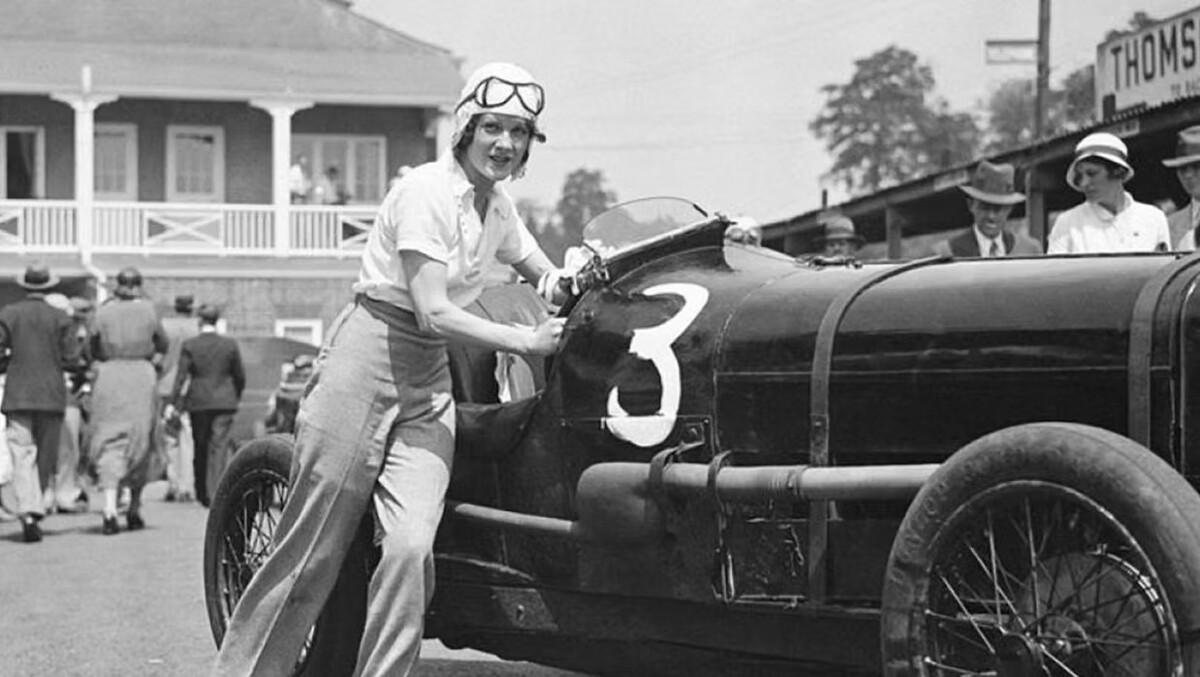 source: www.jhse.org corners.