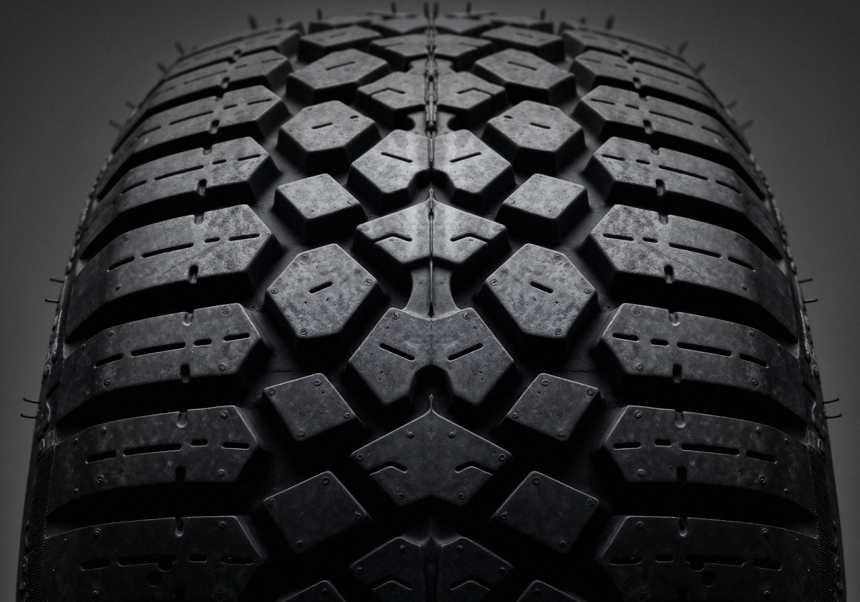
Choosing the right truck tires is crucial for safety, efficiency, and operating costs. Both drivers and fleet owners should pay close attention to the tires they choose to ensure optimal traction and minimize fuel consumption . The following guide will help you make an informed decision by considering the most important selection criteria.
Properly selected truck tires have a direct impact on driving comfort, fuel consumption, and road safety . For trucks that cover long distances and carry heavy loads, it's crucial that the tires have the lowest possible rolling resistance, which translates into fuel savings, good traction, and performance in all weather conditions. Poorly selected tires can lead to faster tire wear, increased risk of accidents, and higher fleet maintenance costs.
Before purchasing tires, it is worth analyzing several key factors:
Vehicle type and intended use – tires should be appropriate for the type of truck, its weight, and the type of load it carries. For example, long-haul tires will be different from those used on distribution or construction vehicles;
Load and Speed Index – Truck tires must meet specific load-bearing standards to support the vehicle's load. The load index indicates the maximum weight the tire can carry. The speed index, in turn, indicates the maximum speed at which the tire can operate safely;
Truck tire types – choosing the right tire type depends on the conditions the vehicle will be used in. Long-haul tires are characterized by lower rolling resistance, which translates into lower fuel consumption. For vehicles used off-road, such as construction trucks, aggressive tread tires are crucial, providing good traction on uneven terrain.
When choosing truck tires, there are several aspects to consider:
Tread – Truck tires must have the right tread to ensure good traction in all conditions. Drive axle tires have a more aggressive tread pattern, providing better traction, especially on slippery surfaces. Steer axle tires, on the other hand, have a more streamlined tread, which reduces rolling resistance and improves fuel efficiency.
Fuel savings – low-rolling resistance tires can significantly improve fuel economy. While they may be more expensive, choosing them can pay off in the long run, especially for fleets traveling long distances;
Tire durability – When investing in the best truck tires, it's worth considering their durability. Tires from reputable manufacturers may be more resistant to wear, which translates into longer service life and lower costs associated with frequent tire replacements.
When selecting truck tires, you should also pay attention to the intended use of the tire, i.e. on which axle it will be mounted:
steering axle tires (F/S) – designed to ensure steering precision;
drive axle tires (D) – are responsible for transferring torque from the engine to the road, which ensures better traction, especially on slippery and difficult surfaces;
Trailer axle tires (T) – are used in trailers and must be extremely durable to withstand heavy loads and frequent pressure changes.
Choosing the right truck tires is crucial for vehicle safety and performance. It's important to match tires to operating conditions and vehicle type . Before purchasing tires, it's worth researching available options on the market and comparing prices and reviews.
Online shopping is especially convenient for fleet owners who need larger quantities of tires. Check out the truck tire and rim selection at Autos, where you'll find a wide selection of products for various types of trucks. We also offer truck parts and accessories .